AI Product Photography Tools
Best AI Tools for Product Photography in 2025 (Brands Using These Are Scaling Faster)
Brands using AI product photography are already launching faster and converting higher. See which tools actually sell products — and which ones are leading in 2025.

Nov 11, 2025
Content Index
The best AI tool for product photography in 2025 is a tool that can create campaign-grade, brand-consistent visuals in one click — no prompts or retouching needed. Nano Banana is fun for concepts, Pebblely and Claid help with simple backgrounds, and MidJourney is artistic but inaccurate for real products. For selling, SCENE4 wins.
Why the Brands Adopting AI Creative Workflows Now Are Winning Big
Over the past two years, something big has shifted in how brands create visuals.
We used to think:
Product photography is just about showing the product clearly.
But 2025 has proved that’s no longer enough.
Your product photos are not just “images.”
They are your brand’s first pitch.
The moment a user notices you — or scrolls past forever.
And here’s the real truth many brands still haven’t accepted:
If your visuals look like everyone else’s, you’ve already lost.
Consumers today scroll fast, compare instantly, and choose emotionally.
If your imagery doesn't create desire — you will not convert.
That’s why AI product photography has become a competitive advantage.
Not because it’s cheaper.
But because it lets brands create faster, test more, tell stories, and look premium — at scale.
But there’s a catch.
Not all AI tools are the same.
In fact — most AI generators produce images that look AI, and consumers can tell.
This guide will show you:
How to evaluate AI photography tools correctly
Which tools are worth your time in 2025
Why SCENE4 has become the new standard for campaign-grade storytelling
And how adopting now gives your brand a measurable performance edge
Let’s start with the criteria that actually matter (not the ones most review blogs talk about).
2025’s Top AI Tools for Product Photography (Shortlist)
We’ll evaluate:
SCENE4 (The new standard for campaign-grade storytelling)
Nano Banana (Popular, simple, but inconsistent results)
Pebblely (Solid for marketplace-style imagery)
Claid (Automation + scaling + PDP background replacement)
Phot.ai (Editing and enhancement toolkit)
AdCreative.ai (Great for layout + ad concepts, not product detail)
MidJourney (Great for vibe, terrible for product accuracy)
How to Evaluate AI Product Photography Tools (The Criteria That Drive Sales)
When people compare AI tools, they often look at:
Ease of use
Output resolution
Price
Those matter — but they are not what drive conversions.
The real factors that determine whether AI visuals sell are:
Evaluation Factors | Why It Matters | How It Affects Sales | What To Look For |
|---|---|---|---|
Product Accuracy | Product must look real and accurate to the last detail | If the product looks "off", trust breaks | Look for tools that respect material physics + form consistency |
Aesthetic Quality | People buy based on emotion | Beauty increases desire & perceived value | Cinematic tone, refined lighting, depth |
Brand Consistency | Cohesion builds recognition | Consistent visuals → higher brand recall | Tool must replicate style, not random images |
Storytelling Power | Story makes products memorable | Stories create identity, not just visuals | Tool must produce campaigns, not single shots |
Scalibility and Variation | Marketing needs multiple assets | More concepts leads to faster testing leads to better ROI | One product → many on-theme images, quickly |
Ease of Use | Speed wins | If it’s slow, teams won’t use it | Minimal prompting & minimal retouching |
The big realization for 2025:
Product photography is conversion psychology, not documentation.
If your product photo:
Doesn’t evoke desire
Doesn’t differentiate your brand
Doesn’t create emotional resonance
Then your ad performance, CTR, and ROAS will always underperform.
This is where many popular AI tools fall short.
They generate “images.”
But images don’t sell.
Campaigns sell.
Stories sell.
Emotion sells.
And there is only one tool built for that:
SCENE4 — The Campaign-Grade Visual Engine
While most AI tools focus on image generation, SCENE4 focuses on brand storytelling.
SCENE4 is built for one thing:
Turning a simple product photo into a cinematic campaign narrative — automatically.
Why SCENE4 Stands Out
Let's start with a simple example to illustrate our points.
We will use the case study of a jewelry brand. The product to be featured is a woman's gold necklace, shown below:
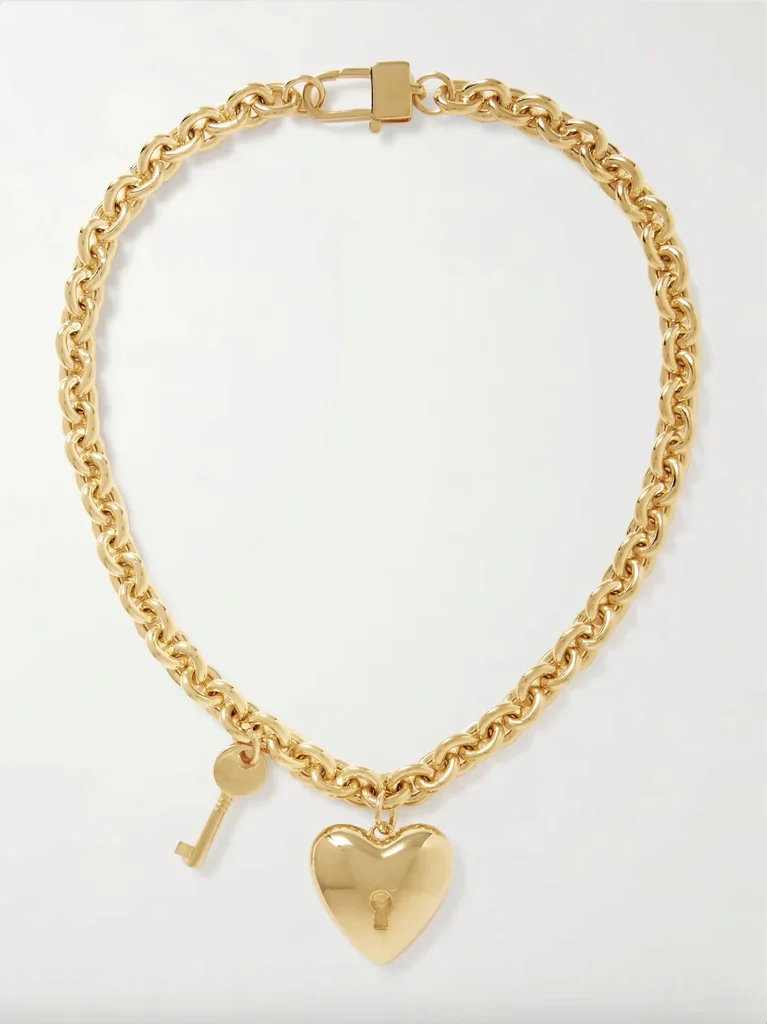
The design of this necklace is inspired by Snow White fairytale story. So, the brand owner chose a Snow White scene as an inspiration for the campaign:
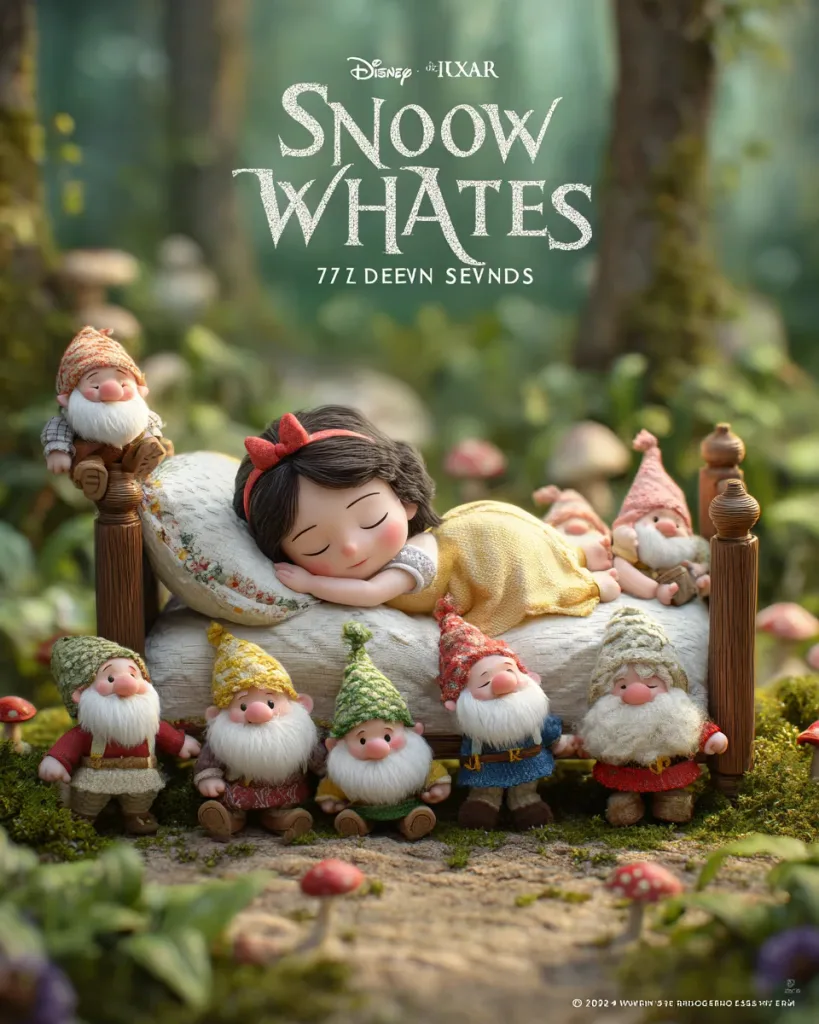
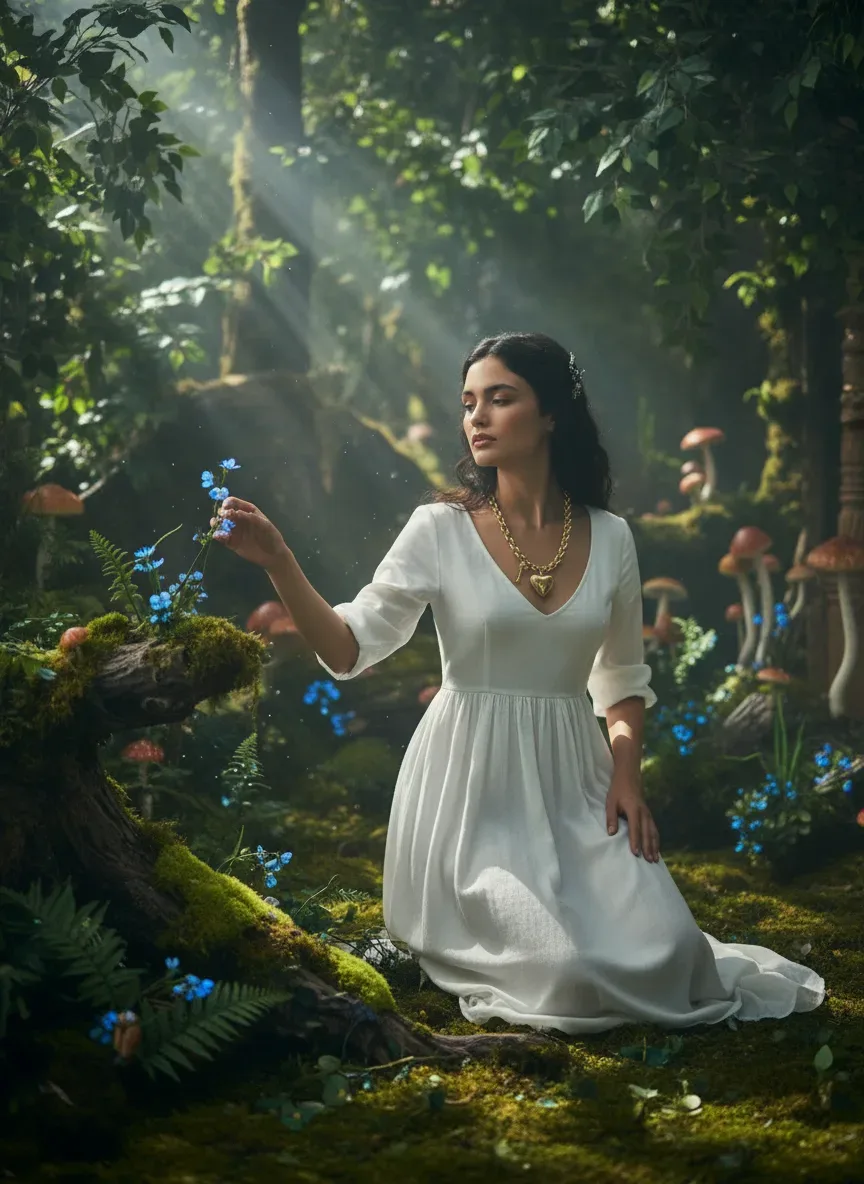
And with just one-click, the result created by SCENE4's technology is shown as below:
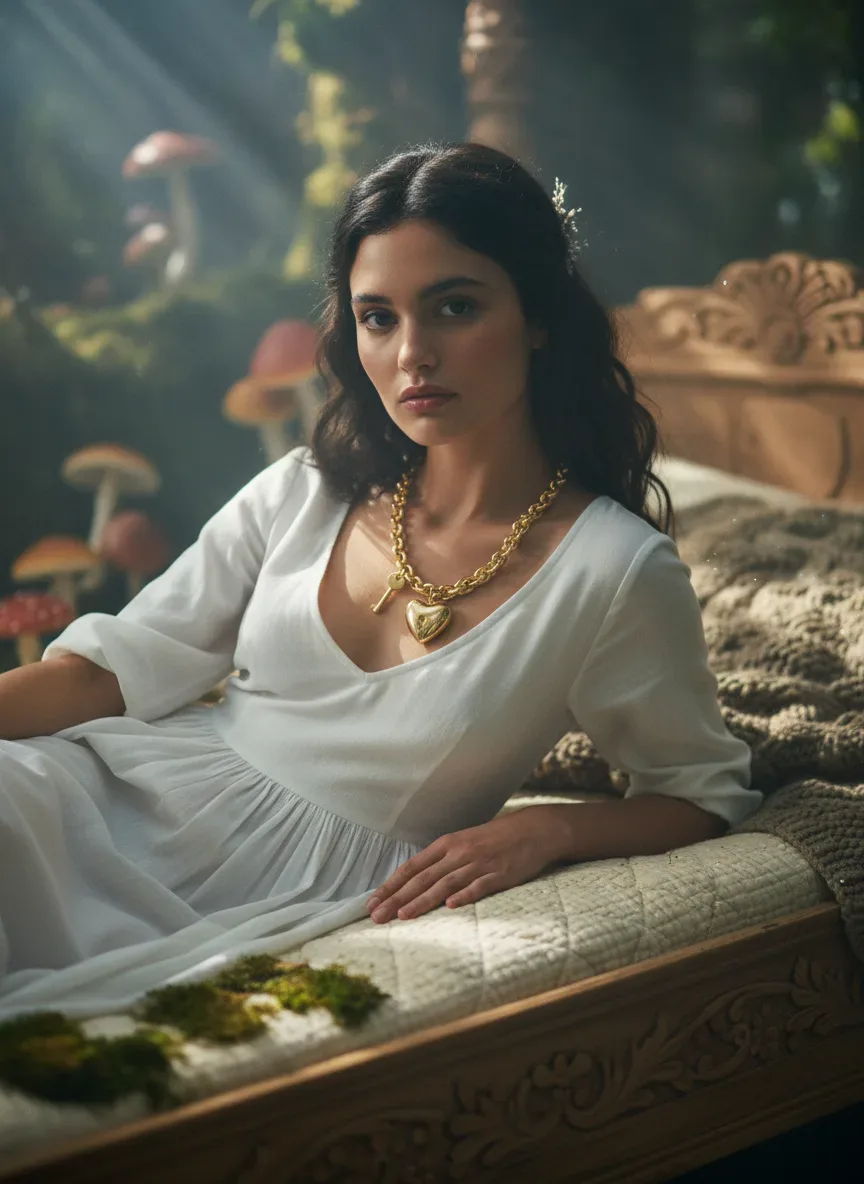
A campaign-grade image that features a model wearing the necklace, in a fairytale-like setting. The image is like straight out of a Disney movie. The model's look and styling fits the the overall aesthetic perfectly. All this done without any prompting or re-editing.
SCENE4 has two capabilities no other tool has:
A) Built-In AI Art Director
It understands:
Lighting physics
Material reflection and texture
Lens perspective and depth
Human visual emotion cues
This means:
Jewelry looks like real jewelry (sharp reflections, correct metal tone)
Leather looks like leather (not plastic)
Glass looks like glass (not melted)
Product sits believably in scene, not “hovering”
This is the difference between AI-created and photographically-correct.
B) AutoCast™ — Industry-First Styling Engine
One click selects:
Model aesthetic
Body language / persona
Fashion styling
Photography tone
Cultural mood positioning
No prompting.
No trial and error.
No retouching marathon afterward.
It’s like having:
A creative director + stylist + photographer + retoucher… built into the system.
C) Expand Campaign™ — The Storytelling Multiplier
This is the feature that drives real marketing ROI:
One hero visual → dozens of on-theme variations
All consistent.
All campaign-grade.
No manual recreation.
Continuing from the same case study, one-click expands the campaign and automatically generate the following images:
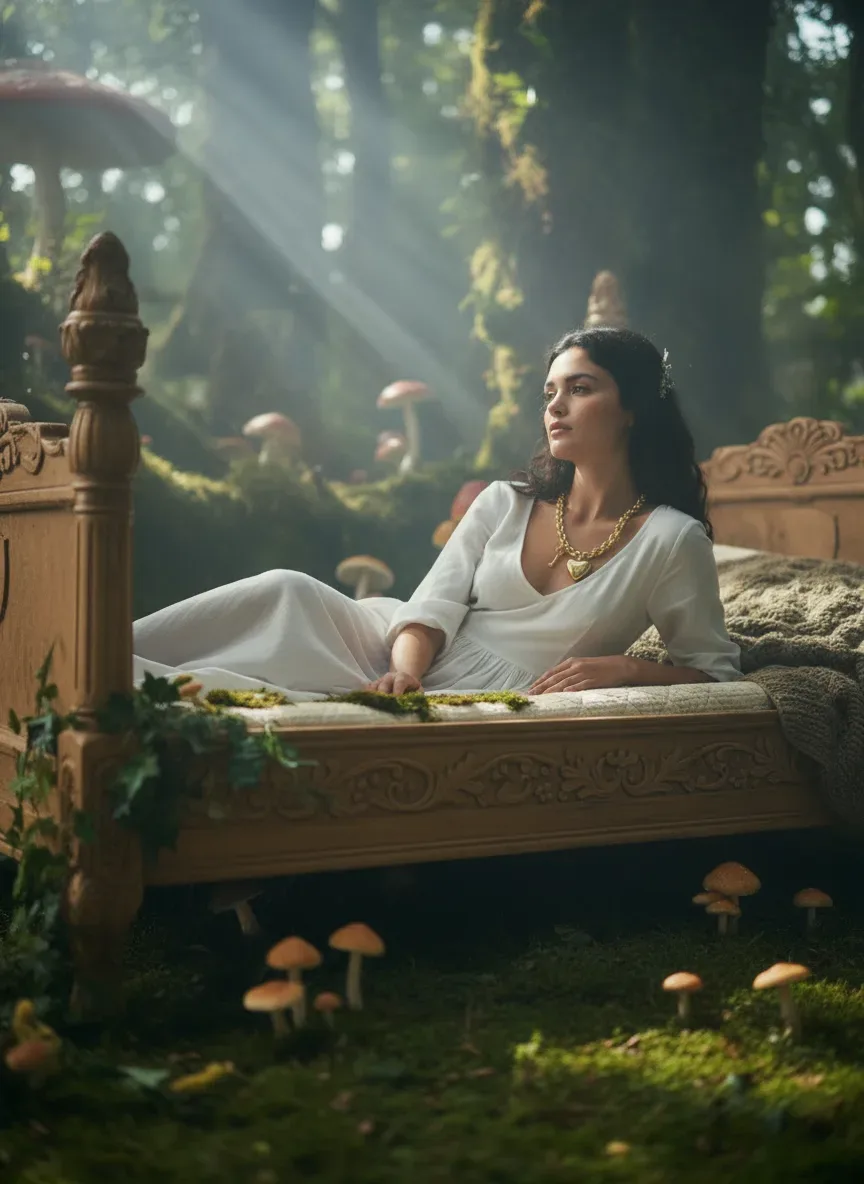

This means:
Carousels
Landing pages
TikTok & Reels cutdowns
PDP lifestyle alternates
Outdoor mockups
Close-up emotion shots
Are all generated from the same campaign DNA.
This is exactly how luxury brands create visual identity.
And SCENE4 automates it.
Imagine two brands selling the same type of necklace, targeting the same type of audience:
Brand A (Typical AI Tool Output) | Brand B (SCENE4 Campaign Output) |
|---|---|
One lifestyle photo | Full narrative set |
Generic model holding/wearing the product | Story-driven mood and styling |
Plain background/boring, studio-like background | Cinematic lighting and emotional tone |
No emotional arc | Visual identity that feels premium |
Who would you resonate with?
Who would you remember?
Who would you pay more for?
Story transforms perceived value.
This is the difference between:
Competing on price
And competing on desirability
Nano Banana — Good for Playful Concepts, Hard for Brand Consistency
Google Gemini's Nano Banana is popular for one big reason: it’s easy to get “cool” outputs fast.
But it struggles with:
Product accuracy (edges warp, materials blur)
Brand consistency (every variation changes style)
Scaling campaigns (you have to regenerate manually)
Nano Banana = moodboard generator
SCENE4 = brand narrative engine
If you need scroll-stopping TikTok visuals, Nano Banana is fun.
If you need sell-through performance, SCENE4 wins.
NB: Nano Banana 2 has been released as per mid-Nov. Click here for detailed analysis.
SCENE4 vs Nano Banana (The Most Important Comparison)
Nano Banana is rising fast because it’s fun and easy.
But it is fundamentally made for:
Vibes.
Not brand consistency.
Not product accuracy.
Not scalable campaigns.
Let’s compare real workflows:
Factor | Nano Banana | SCENE4 | |
|---|---|---|---|
Prompting Skill | Expert level to get Vogue editorial-grade results | No need to prompt. One click to get Vogue editorial-grade results | |
Product Material Accuracy | Often distorted or over-smoothed | Precise material realism | |
Consistency Across Images | Every image looks stylistically different | Campaign DNA remains intact | |
Scene Continuity | Must rebuild from scratch each time | One click generates a full visual series | |
Model / Style Casting | Random + unpredictable | AutoCast™ = style-consistent characters | |
Retouching Required | Often necessary | Minimal to none | |
Time to Create a full Campaign | 2–4 hours | 5 minutes |
Nano Banana = cool images
SCENE4 = brand identity + sales conversion
This is the core difference.
If you need:
Quick moodboards
Creative exploration
Fun, experimental visuals
Nano Banana is great.
But if you need:
Brand tone consistency
High product accuracy
Campaign storytelling
Conversion performance
SCENE4 is the only tool built for that.
Pebblely — Good For Marketplaces
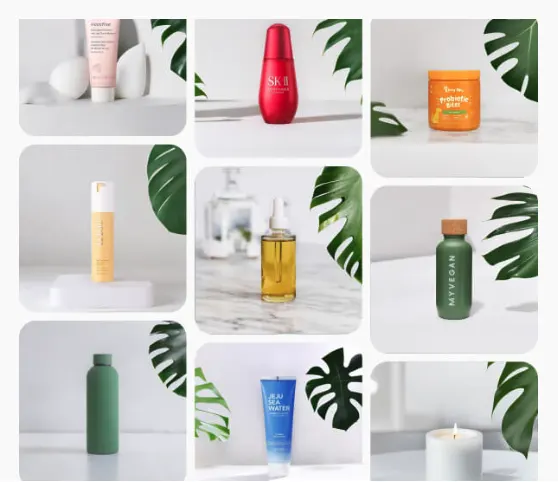
Pebblely is known to make clean, soft, pleasant PDP images.
Not campaign-level. Not story-driven.
Good for catalog basics, not brand-building.
Claid — Bulk Automation & Enhancement
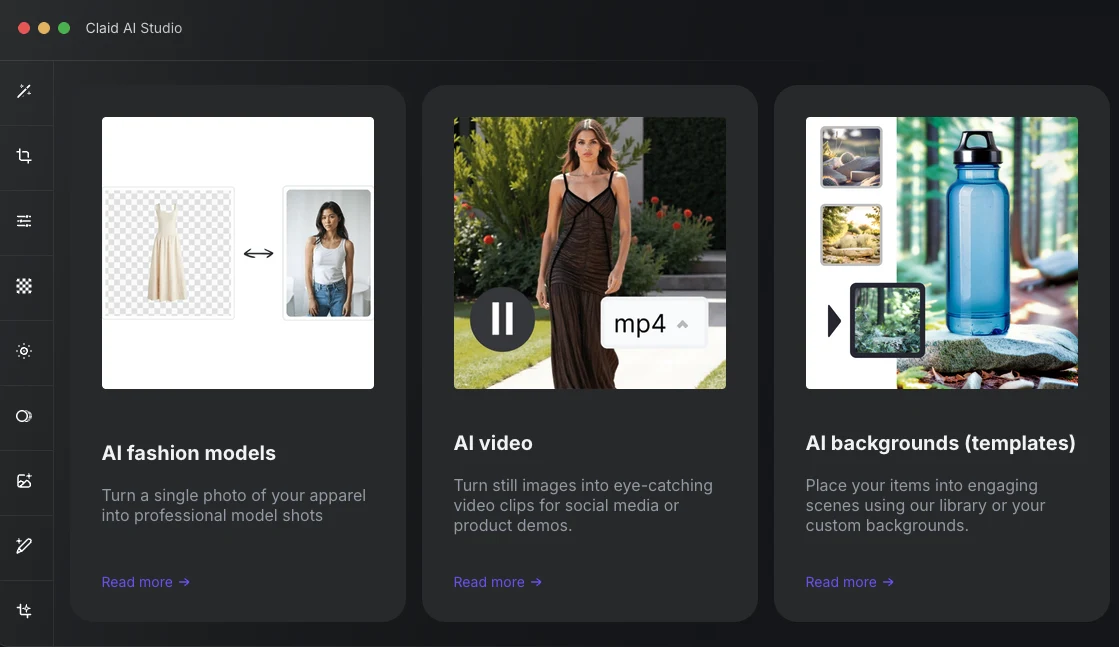
Claid.ai is great for:
Background removal at scale
Photo enhancement
Resolving PDP consistency
Not suitable for emotional visuals or storytelling.
Phot.ai / AdCreative.ai / MidJourney
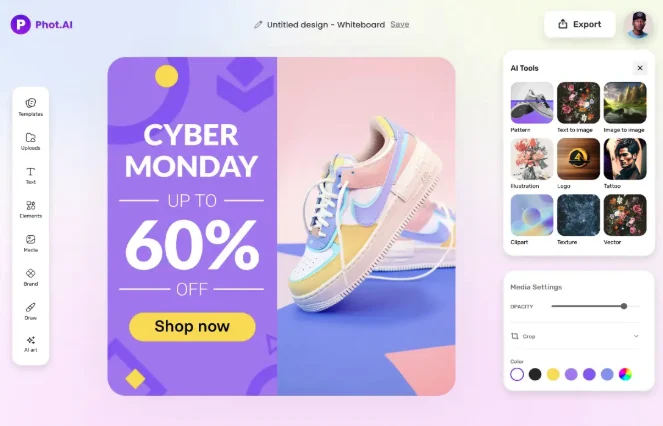
Phot.ai is great for editing and clean-up. However it is not a storytelling engine.
AdCreative.ai is great for layouts and ads, but it needs external imagery first.
MidJourney is the best for aesthetic creativity. However it cannot accurately render products.
In other words, it makes beautiful art but a melted logo means dead on arrival for ecommerce.
It is not built for ecommerce use.
Other Tools — Quick, Honest Overview
Tool | Best For | Not Ideal For | |
|---|---|---|---|
Pebblely | Simple marketplace backgrounds | Doesn’t do storytelling or editorial aesthetics | |
Claid | Bulk PDP cleanup & enhancement | Doesn’t create new campaign visuals | |
Phot.ai | Editing & background removal | Not a creative campaign engine | |
AdCreative.ai | Ad layouts & text variations | Needs external imagery first | |
Artistic moodboards & concepting | Cannot accurately render real products |
These are useful tools, but none replace a full creative workflow.
Why Adopting SCENE4 Early Matters
Brands using SCENE4 now are already seeing:
Result | Impact |
|---|---|
Faster creative cycles | Launch campaigns while trends are still relevant |
Consistent visual identity | Stronger brand recall & loyalty |
Higher PDP + ad conversion rates | Better ROAS, lower CAC |
Reduced production spend | No more endless reshoots & retouching contradictions |
More room for creative testing | You win through learning faster |
Speed isn’t a luxury anymore — it’s the difference between:
scaling
or stalling
How to Start Using SCENE4 (A Simple, Proven Workflow)
Upload a clear product photo (no need for perfect studio lighting)
Select an inspiration scene
Generate your hero campaign visual
Use Expand Campaign™ to create:
Carousel sets
Paid ads variations
PDP lifestyle alternates
Social storytelling sequences
Test → Learn → Scale
No prompts.
No editing.
No fragmented workflow.
Just brand storytelling at the speed of imagination.
Conclusion
The brands adopting AI product photography now are not just saving time.
They are:
Looking more premium
Testing and launching faster
Creating more emotional resonance
Spending less to make more
In other words:
They are pulling ahead.
And you can join them today.
Click Here To Start Your First Campaign — Free
Upload a product → Get a world-class campaign in one click
No prompting. No learning curve. No friction.
Art Direction Automated
Because creativity should move at the speed of imagination. SCENE4 made that possible.
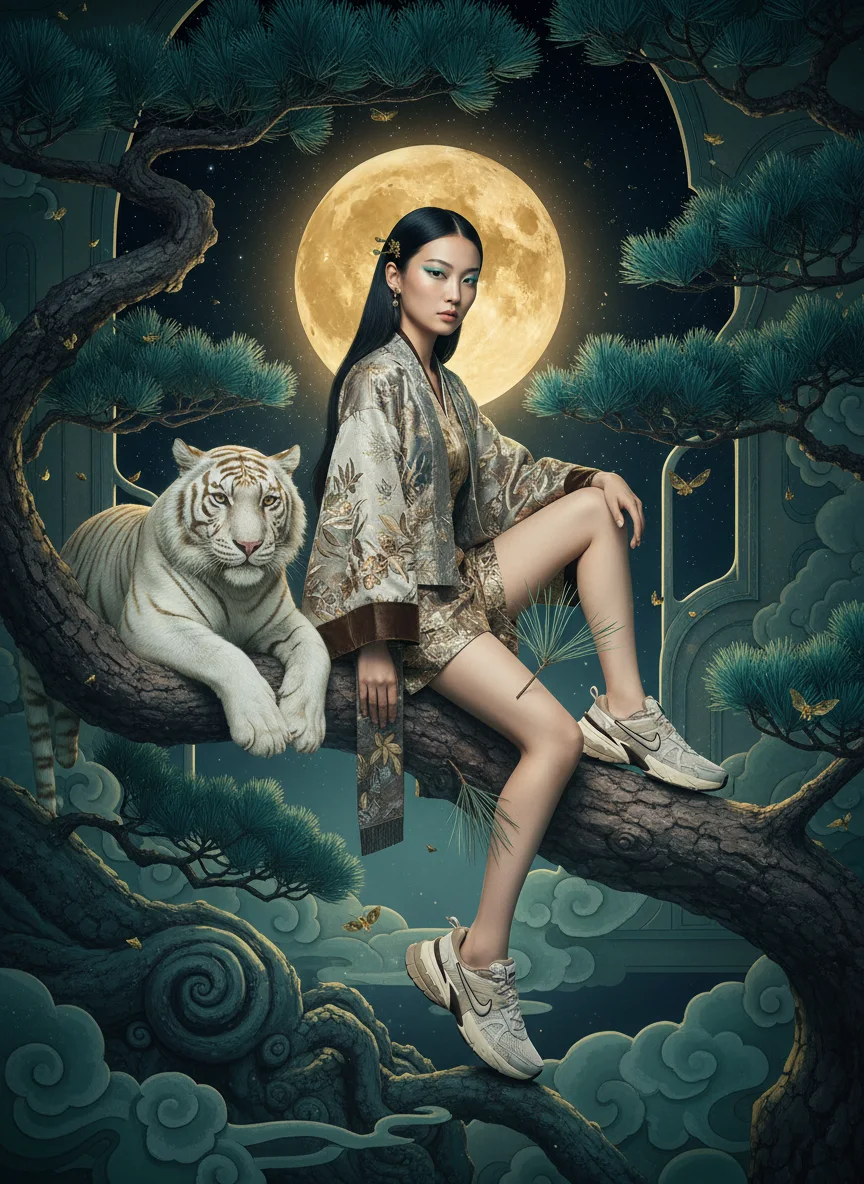
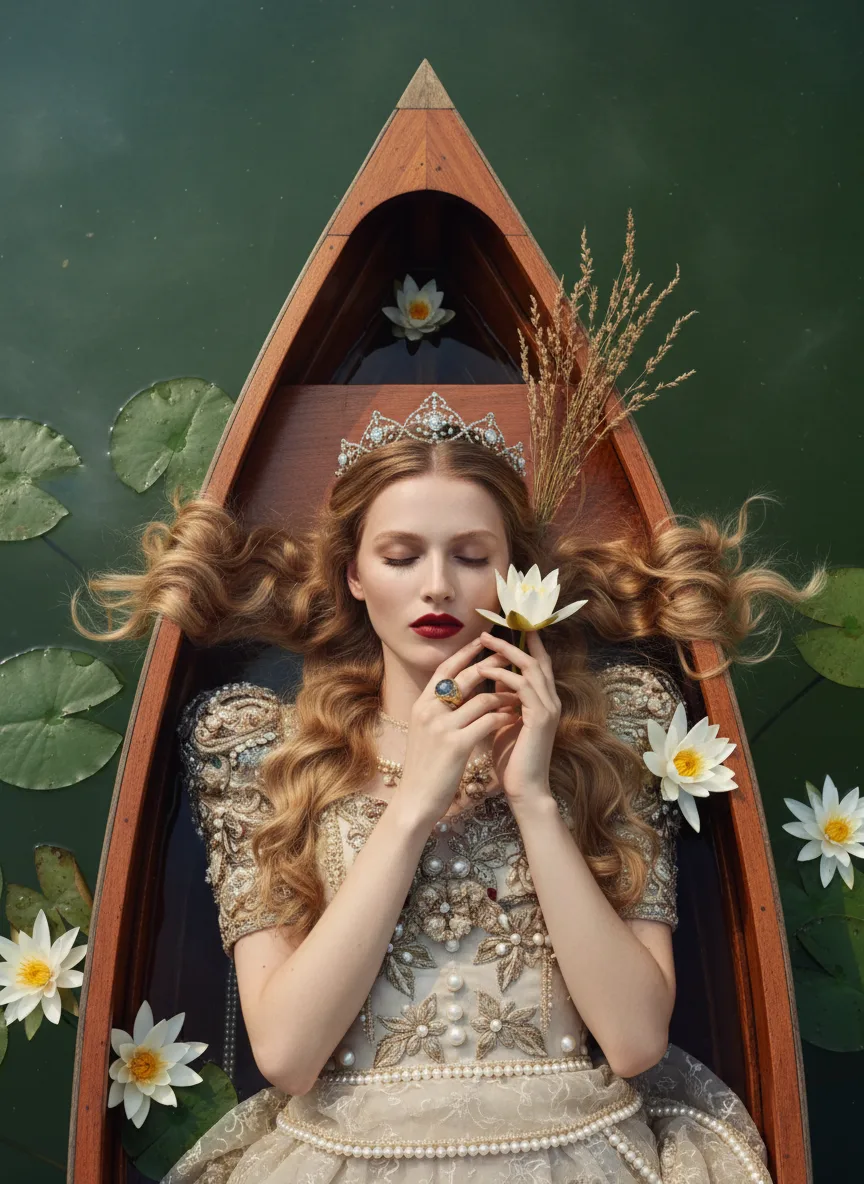

Art Direction Automated
Because creativity should move at the speed of imagination. SCENE4 made that possible.
Art Direction Automated
Because creativity should move at the speed of imagination. SCENE4 made that possible.